

Brain diseases affecting mind and body, represent a major societal burden impacting patients of all age, gender, and ethnicity. SciNeuro is dedicated to developing medicines for neurological diseases with a specific focus on neurodegenerative diseases in which the structure and function of neurons are progressively damaged and lost. As a result, patients lose their natural ability to move, speak, remember, or think. Neurodegeneration can present in various forms, such as Parkinson’s disease (PD) and Alzheimer’s disease (AD), two common neurodegenerative diseases affecting more than 65 million patients worldwide, as well as rare conditions like amyotrophic lateral sclerosis (ALS) and multiple system atrophy (MSA).
What is Neurodegeneration?
Pipeline Strategy
In recent years, the rapid progress of human genetic, genomic, and biomarker studies have revealed molecular and pathological culprits of neurodegeneration, nominating promising therapeutic targets.
By effectively transporting drug candidates across the blood brain barrier (BBB), we improve our chance of success and enhance overall therapeutic potential. To this end, we have developed a proprietary BBB shuttle platform that enables deep brain access across a variety of therapeutic modalities.
The advent of neuroscience now provides scientific details revealing drivers of neurodegeneration in key related pathways highlighting proteinopathy, neurovascular inflammation and immune response. We have developed a focused portfolio to target each of these mechanisms:
Clear misfolding proteins through immune therapy
Proteinopathy arises from accumulation of misfolded and toxic proteins such as β-amyloid or α-synuclein, disrupting neuron structure and key cellular function.
Protect / repair vasculature by reducing inflammation
Reduced blood flow and leaky blood-brain barriers associated with neurovascular inflammation are common events in neurodegeneration such as Alzheimer’s disease and vascular dementia.
Restore homeostatic immune response
Immune cells react to intrinsic cellular changes or foreign pathogens by launching appropriate responses. Too little or too much response from brain or peripheral immune cells aggravates neuron damage and loss.
Our Pipeline
Our Pipeline
Our Pipeline
Mechanism
Disease Area
Target
Program
Discovery
Pre-Clinical
Early Clinical
Late Clinical
Macular Diseases
SNP318
SNP201
SNP234
SNP203
SNP614
SNP622
Our Technology
Platform
Program
Description
SNP837
to enhance the therapeutic potential of the pipeline drug candidates
Disease Area/Target
AD, Dementia & Macular Diseases / Lp-PLA2
Asset
SNP318
Phase
Early Clinical
Disease Area/Target
PD / alpha-synuclein
Asset
SNP201
Phase
Pre-Clinical
Disease Area/Target
AD / beta-amyloid
Asset
SNP234
Phase
Pre-Clinical
Disease Area/Target
Dementia&ALS / Progranulin
Asset
SNP203
Phase
Pre-Clinical
Disease Area/Target
PD / LRRK2
Asset
SNP614
Phase
Pre-Clinical
Disease Area/Target
AD / ApoE
Asset
SNP622
Phase
Pre-Clinical
Disease Area/Target
Other Discovery Programs / [undisclosed]
Asset
multiple
Phase
Discovery
Our Technology
Platform
BBB Shuttle
Program
SNP837
Description
A proprietary platform that enables deep brain delivery of different modalities to enhance the therapeutic potential of the pipeline drug candidates

Hogan Wan
Chief Financial Officer
Hogan brings around 15 years of experience in biopharma corporate finance and investment banking across Asia and the U.S. Most recently, he served as Head of Investor Relations and Strategy at Ascentage Pharma, where he led the company’s successful IPO on Nasdaq. Prior to that, Hogan held senior positions at Goldman Sachs, J.P. Morgan and UBS Investment Bank in Hong Kong and New York, advising healthcare companies on IPOs and M&A transactions. He also worked at CBC Group, responsible for healthcare private equity investments. He earned a Bachelor of Science in Commerce from the University of Virginia.
SNP614
Leucine-rich repeat kinase 2(LRRK2) is a multifunctional protein with GTPase & kinase activities. LRRK2 gene mutations are associated with increased activities of LRRK2 protein, conferring elevated risk for Parkinson’s disease (PD). SNP614 is a chemically modified antisense oligonucleotide (ASO) that efficiently downregulates LRRK2 mRNA thereby lowering its levels and activities linked to PD development and progression. ASO treatment enables a disease-modifying therapy and is superior to current standard of care (SoC) symptomatic approaches. The SNP614 program is being developed through a funding partnership with The Michael J Fox Foundation – a global leader in Parkinson’s Disease research (Also see the SciNeuro-MJFF news) and the LRRK2 Investigative Therapeutics Exchange (LITE) Program.
SNP203
Progranulin (PGRN) is a secreted glycoprotein growth factor encoded by the GRN gene that plays a critical role in regulating lysosomal function, neuronal health and survival, and inflammation. Loss-of-function mutations in GRN cause frontotemporal dementia (GRN-FTD) and are associated with Alzheimer’s disease (AD). Extracellular PGRN levels are regulated by its cell surface receptor, Sortilin 1 (SORT1), through the endocytic degradation pathway. SNP203 is a best-in-class anti-SORT1 antibody that restores extracellular PGRN levels by blocking the PGRN-SORT1 interaction and reducing PGRN endocytic clearance and thus increasing extra-cellular PGRN levels. Compared to competitor molecules, SNP203 demonstrates superior potency, improved pharmacokinetics (PK), lower dosing requirements, and a more patient-friendly delivery method. (Also see SNP837)
SNP234
Amyloid plaques are a hallmark of Alzheimer’s disease and other neurodegenerative disorders. A major component of these plaques, aggregated beta-amyloid proteins, are widely considered central to pathogenesis. SNP234 is a next-generation anti-amyloid antibody with exceptional potency and selectivity for toxic aggregated species over non-pathogenic monomeric forms. By removing pathogenic aggregates and preventing their further deposition, SNP234 holds promise as a disease-modifying therapeutic that may slow the progression of amyloid-related neurodegeneration and cognitive decline. (Also see SNP837)
SNP201
Alpha-synuclein is a major component of Lewy bodies, a pathological hallmark of synucleinopathathies, including Parkinson’s disease (PD), dementia with Lewy bodies (DLB), and multiple system atrophy (MSA). SNP201 is a high affinity alpha-synuclein antibody, binding preferentially to aggregated forms of alpha-synuclein known to be pathogenic. Superior binding affinity and epitope recognition enable a favorable target engagement to achieve better clinical efficacy. (Also see SNP837)
SNP318
Lipoprotein-Associated Phospholipase A2 (Lp-PLA2) is an enzyme that hydrolyzes oxidized phospholipids typically on low-density lipoprotein (LDL) to yield lysophosphatidylcholine (lysoPC), a potent proinflammatory factor in both CNS and periphery. LysoPC induces vascular inflammation, which leads to damages in blood vessels in the brain including blood-brain barrier (BBB) and blood retinal-barrier (BRB). SNP318 is a CNS-penetrant inhibitor of Lp-PLA2 with the potential to repair BBB and BRB, thereby restoring vascular health to achieve clinical benefit in neurodegenerative diseases including Alzheimer’s disease and macular diseases, where vasculature integrity is central to disease progression and management.
SNP837
The blood-brain barrier (BBB) is a key structure that protects the brain by selectively allowing molecule and nutrient exchange between the brain and peripheral circulation. This barrier system prevents typical drug molecules from entering the brain, hampering their therapeutic effect. SciNeuro has developed a shuttle platform to enable therapeutic molecules to be transported into the brain. The modular shuttle, when combined with a cargo (e.g., antibody), effectively delivers the therapeutic moiety to the CNS. The elevated CNS concentration and broad biodistribution to the deep brain regions, enhances target engagement and thereby therapeutic potential.
SciNeuro’s BBB shuttle platform demonstrates best in class characteristics, in both efficiency and pharmacokinetics. In addition, it is designed to be modularly applicable across a variety of therapeutic modalities.
SNP622
Apolipoprotein E (APOE) is essential for the transport of lipids throughout the body. APOE4 is one of three alleles (APOE2, APOE3, and APOE4) which represents the significant genetic risk factor for Alzheimer’s disease. APOE4 exerts proinflammatory and disease-accelerating effects that dominate over the neuro-protective effects of APOE. Reduction of brain APOE4 therefore represents a therapeutic approach to slow disease progression. SNP622 is a potent anti-sense oligonucleotide (ASO) that reduces APOE expression in relevant human brain cells with superior features relative to a benchmark ASO, particularly in vivo efficacy.
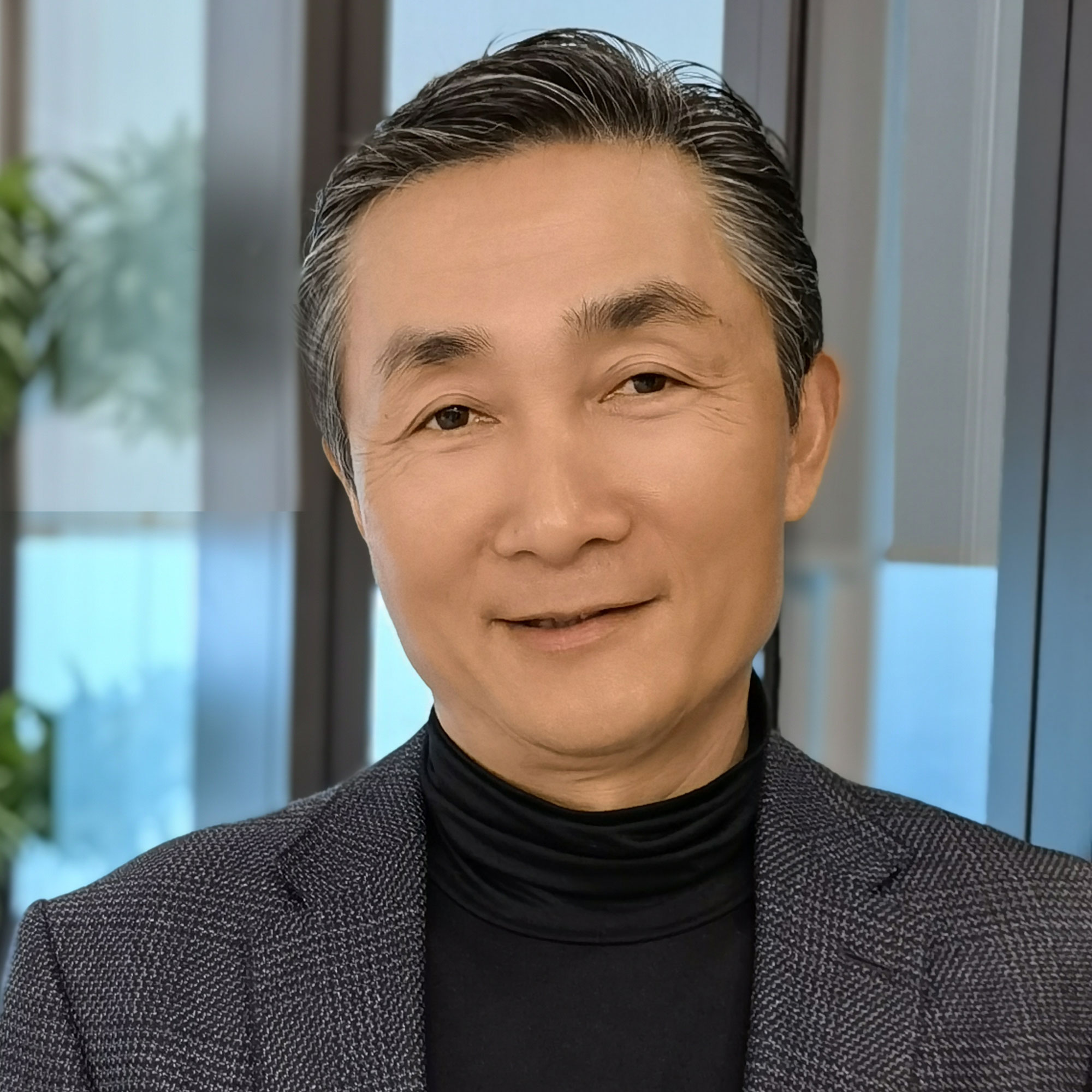
Min Li
CEO & Director
Min brings more than 30 years of leadership experience from academia, and in the biopharmaceutical and venture capital industries in both the US and China. His extensive knowledge and insights of the field neuroscience led to the founding of SciNeuro Pharmaceuticals in late 2020 to tackle the development of innovative therapeutics for CNS diseases. Min also currently serves as a venture partner at Lilly Asia Ventures (LAV). Prior to joining LAV, he was senior vice president and therapeutic area head for neurosciences R&D at GSK, and general manager of R&D China. Earlier In his career, Dr. Li was a full professor in neuroscience at Johns Hopkins University School of Medicine. He holds a Ph.D. in molecular immunology from Johns Hopkins; received postdoctoral training in neuroscience from University of California San Francisco.
SNP210
Cytoplasmic TDP-43 (transactive response DNA binding protein of 43 kDa) forms toxic aggregates featuring C-terminal phosphorylation and correlating with neurodegeneration. Reduction of extracellular TDP-43 protects neurons from TDP-43 induced pathology and death. SNP210 is a human autoantibody isolated from patient with high affinity of disease-variant of TDP-43. Targeted disease indications include amyotrophic lateral sclerosis (ALS) and certain forms of frontotemporal dementia (FTD).

Lisa Li
Senior VP, Head of Clinical Development
Lisa brings nearly 20 years of clinical development experience and a deep understanding of the healthcare environment. Prior to joining SciNeuro, she built an extensive knowledge base and experience set in cross-functional teams spanning trial design, regulatory strategy, clinical operations and efficacy and safety assessment in multiple therapeutic areas at BMS, GSK and Ferring Pharmaceuticals. Lisa is a physician by training, having earned an MD and PhD at Fudan University in Shanghai, and received postdoctoral research training in Yale University School of Medicine.

Paul Stead
Head of Business Development
Paul brings over 15 years of business development leadership and transactional experience within the biotech industry and multinational corporations (MNCs). His expertise spans both the buy and sell sides, covering multiple therapeutic areas. He served in senior business development roles at Adaptimmune Therapeutics, Inovio Pharmaceuticals and Nimbus Therapeutics, where he successfully led and closed multiple major and strategic clinical and preclinical stage asset and platform technology transactions. Additionally, he held the position of Senior Director, Worldwide Business Development at GlaxoSmithKline. Paul is a scientist by background earning a BSc, then PhD in Pharmaceutical Sciences from the Universities of Bath and Nottingham, respectively. He also holds an MBA from Lehigh University, Bethlehem, PA.

Paul Stead
CBO*
Paul brings over 15 years of business development leadership and transactional experience within the biotech industry and multinational corporations (MNCs). His expertise spans both the buy and sell sides, covering multiple therapeutic areas. He served in senior business development roles at Adaptimmune Therapeutics, Inovio Pharmaceuticals and Nimbus Therapeutics, where he successfully led and closed multiple major and strategic clinical and preclinical stage asset and platform technology transactions. Additionally, he held the position of Senior Director, Worldwide Business Development at GlaxoSmithKline. Paul is a scientist by background earning a BSc, then PhD in Pharmaceutical Sciences from the Universities of Bath and Nottingham, respectively. He also holds an MBA from Lehigh University, Bethlehem, PA.
* interim

Samuel Agus
CMO*
Sam is a board-certified neurologist with over 20 years of experience in neurology, focusing on neurodegenerative diseases and aging-related disorders. He has extensive experience in clinical development, ranging from translational to late-stage, with several successful IND submissions. He is also well-versed in medical affairs, regulatory strategy, safety and pharmacovigilance, patient advocacy, data-management, and biostatistics. Sam has previously served as Chief Medical Officer for several biotech and pharmaceutical companies, holding senior leadership positions in clinical development, medical affairs, regulatory affairs, and market access strategy at H. Lundbeck A/S, Shire Plc., Abbott Laboratories, Solvay Pharmaceuticals, and Teva Pharmaceutical industries.
* interim
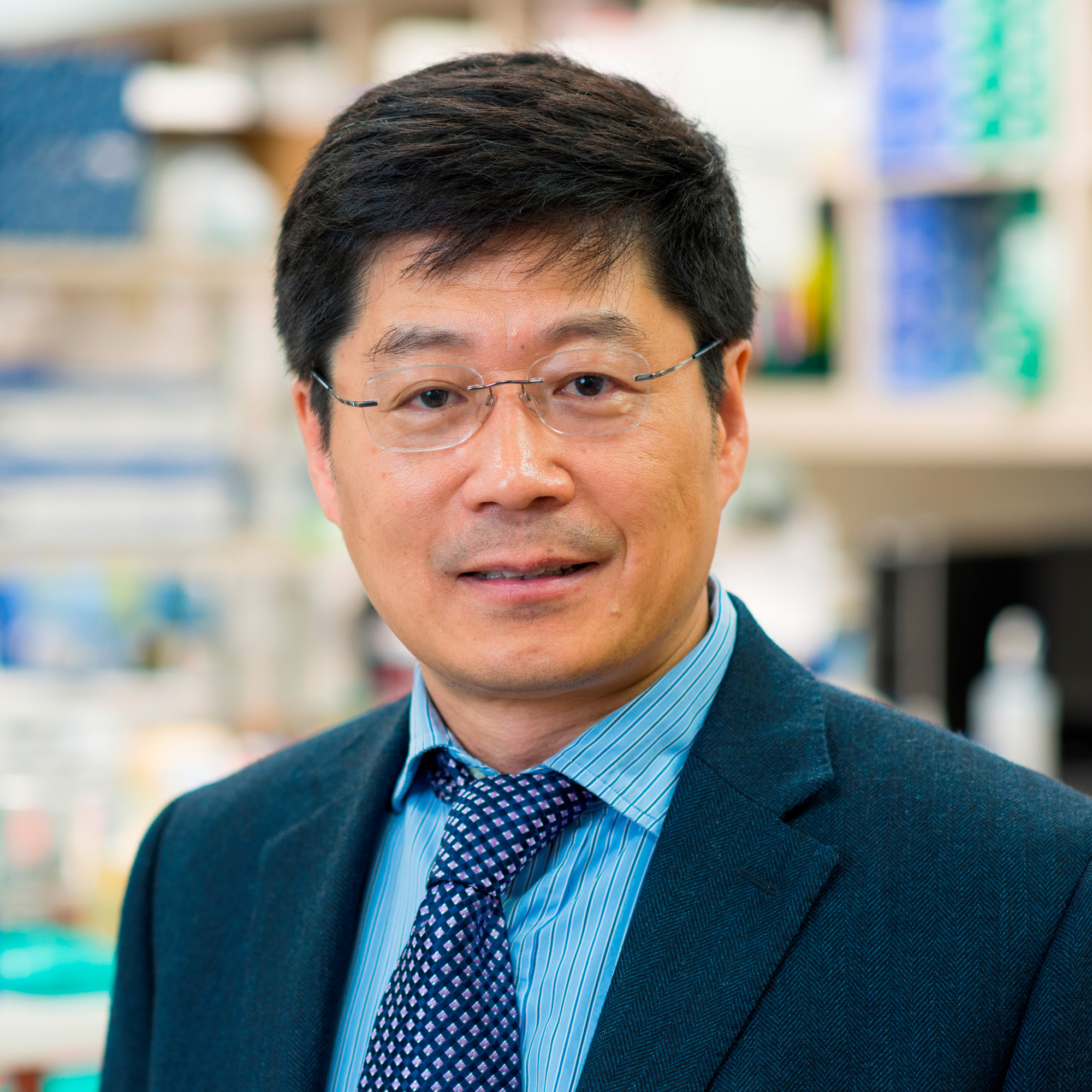
Guojun Bu
CSO
Bu brings more than 30 years of experience in neurodegenerative disease research in top academic institutions at Washington University in St. Louis and Mayo Clinic. He has published over 300 articles and is regarded as a leader in the field of Alzheimer’s disease and related dementias with specific expertise in protein aggregation, immune responses, and cerebrovascular function. His landmark work in addressing the pathobiology of APOE and TREM2, two strong genetic risk factors for Alzheimer’s disease, has led to multiple fundamental discoveries and disease insights. Prior to joining SciNeuro, Bu was an endowed professor and chair of Department of Neuroscience at Mayo Clinic. His accomplishments were recognized by multiple awards in US including the MetLife Foundation Award for Medical Research in Alzheimer’s disease and as a Fellow of American Association for the Advancement of Science (AAAS). Bu is the co-founder and Editor-in-Chief of Molecular Neurodegeneration, a member of the advisory board of Neuron, and an Associate Editor of Science Advances.

Robert Nelson
Director
Robert is a co-founder and a managing director of ARCH Venture Partners. He joined ARCH at its founding and played a significant role in the creation, early sourcing, financing, and development of more than 100 companies, including over 30 which have reached valuations exceeding $1 billion. Robert is focused on generating new ideas for disruptive technologies or business models and partnering with founding management teams and entrepreneurs to execute on these visions by advancing novel platform technologies with the overarching goal of improving health care and outcomes.

Yi Shi
Director
Yi is the founder and managing partner of Lilly Asia Ventures (LAV). Prior to founding LAV in 2008, Yi worked at the U.S.-based Eli Lilly and Company in business development licensing and corporate ventures.

Judith Li
Director
Judith is a partner with Lilly Asia Ventures (LAV). Prior to joining LAV, she previously worked at McKinsey and Company’s New York office, focusing exclusively on pharmaceutical and medical devices, health insurance and healthcare provider engagements, Partners Healthcare, Harvard’s umbrella hospital network, where she focused on hospital administration, and co-founded a start-up focused on interventional nephrology.

Jennifer Xiang
Head of HR & Operations
Jennifer brings nearly 20 years of administrative, operational, and human resource experience in both MNC, biotech, start-up, and academic settings. Prior to joining SciNeuro, she served in roles of increasing responsibility at GSK R&D China, where she grew the organization from 1 to 500 employees. She brings robust experience in talent development, culture building, and aligning internal communication and employee engagement strategy. Jennifer has a multidisciplinary educational background in engineering, clinical medicine, and business management.

Jessie Yang
Head of Partnership and Portfolio Management
Jessie brings over 11 years of experience in business operation from drug discovery industry. Prior to joining SciNeuro, she was the head of Business Development and Project Management at HD Biosciences, a subsidiary company of WuXi AppTec, where she was responsible for new opportunity development, client relationship, and project management. Jessie holds a master’s in biology from Northeastern University, Boston, MA.

Danny Chen
SVP, Preclinical & Translational Sciences
Danny is an accomplished scientific leader who brings more than 20 years of drug development experience. He joined SciNeuro from Pfizer, where he served as executive director of the company’s neuroscience R&D research units based in the U.S. Over the course of his career, he has led multiple small and large molecule programs from lead discovery to first-in-human and Phase 2 proof-of-concept in CNS indications. Danny is a respected leader in nonclinical to clinical translational pharmacology, model informed drug development (MIDD), innovative clinical planning and study design. He earned a PhD from The Ohio State University.
Adding {{itemName}} to cart
Added {{itemName}} to cart
Loading...